
How I Work
I plan the work and I do the work. There’s no handoff between a strategist and a delivery team — just one person, from the first conversation through to the finished result. This page is about what that’s actually like.
The first conversation
The first conversation isn’t a pitch. It’s me trying to understand what’s actually going on.
You don’t need to have it worked out before we talk. Most people don’t — and the ones who think they do are often describing a symptom rather than the cause. That’s fine. Working out what the real problem is, is part of the job.
I’m usually trying to understand three things. What the problem actually is, underneath how it shows up day to day. What your data and systems actually look like. And what it’s costing you — both the specific, countable version (an error someone has to catch every month, a report that eats two days) and the bigger version (decisions you can’t make with confidence, time spent checking numbers instead of acting on them).
I don’t arrive with a solution already chosen. The right answer depends on what I find, and I’d rather find it first.
How I form a view
Once I understand the situation, I form a view — and I’ll tell you what it is.
That sometimes means saying things you might not want to hear. If you’ve committed to a particular platform and parts of it aren’t ready, I’ll say so — while being just as clear about why your choice made sense and where it genuinely works. Being honest isn’t the same as being negative. The point is that you end up with an accurate picture, not a flattering one.
Where someone has an emotional investment in a direction that isn’t quite right, I don’t pretend otherwise — but I’m not blunt for the sake of it. I put the evidence in front of you plainly and let it land. Softening a finding until it means nothing helps no one.
Your data will have gaps. Everyone’s does. The real question is whether you treat the gaps as something to work around or as a reason to stall. I work on solutions.
What I actually build
People usually come to me wanting better reporting — a dashboard the board will trust, numbers that don’t get picked apart in the meeting.
The reporting is rarely the first job. What has to come first is the thing underneath it: data that’s clean, structured and reliable enough to report on. Build the reporting before that’s true and you don’t get insight — you get your existing errors, presented more confidently. That’s worse, not better.
So I’ll tell you what needs to exist first, why the order matters, and what it costs you to skip it. That cost isn’t only the rework when it falls over. It’s every decision made in the meantime on numbers nobody quite believes.
This isn’t about turning a small job into a big one. It’s the opposite — it’s about making sure the thing you’re paying for actually works. On one engagement I was brought in for reporting, and the real work turned out to be the payroll logic underneath it: messy exceptions, different contract rules, manual workarounds people had quietly built up over years. The reporting came later. Doing it in that order is the only reason the end result could be trusted.
How I work alongside you
You won’t hand me a brief and then see me again six weeks later with a finished thing. That’s not how good work happens, and it’s not how I work.
I show you what I’m finding as I find it. I explain the logic, talk through the awkward exceptions, and change course when what I learn says I should. You stay in the loop the whole way through — partly because it’s your business and you should, and partly because the people closest to the work usually know things the data alone won’t tell me.
I also take the time to understand the people, not just the problem — who cares about what, where the sensitivities sit, what “success” actually means to the individuals involved. That shapes how I put findings across and how I frame what I’d recommend.
And the person you meet is the person who does the work. I manage it myself. There’s no team you never met doing the real job behind the scenes.
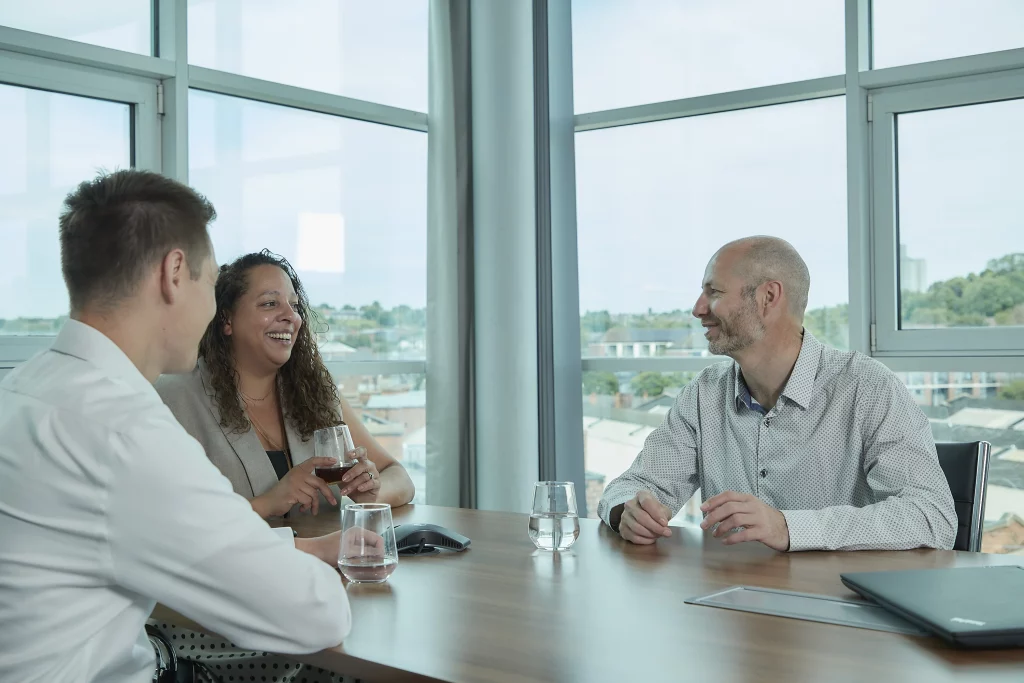
“His help was crucial in digitising part of our timesheet process, which freed up two full-time positions in our accounts team and increased our engineers’ productivity.”
Jennie Davies, Performance Director, Linaker
What I won’t do
A few things I won’t take on. Being clear about these tends to save everyone time.
- Build reporting on top of data that hasn’t been properly structured first.
- Pure pairs-of-hands work, where there’s no room for judgement and the answer’s already been decided.
- Automate a process before anyone understands whether the data underneath it is sound.
- Work where accountability is vague and nobody will own the decisions.
None of this is me being difficult. It’s what keeps the work worth doing.
One more thing worth saying.
From the first conversation, I’m working out what the problem is worth — not just how to fix it.
There’s the close-up version: what a specific issue costs you month to month. The payroll error someone has to catch by hand. The analyst time swallowed by a report that should run itself. The decision that waits because the numbers aren’t ready.
And there’s the wider version: what it costs an organisation to run on data its leaders don’t fully trust. Slower decisions. Opportunities that pass. Management time spent checking the numbers instead of acting on them.
That’s what decides where I start. The most valuable problem to solve isn’t always the most interesting one technically — it’s the one that costs you most while it stays unsolved. And when the work is done, you should be able to point to the difference in terms your finance director recognises, not just your data team.

“David felt like a member of the team, rather than an external person working for us.”
Rab Singhania, Director of Data & Analytics, ArvatoConnect
If any of this sounds like the kind of help you’re after, the best next step is a conversation. No preparation needed — bring the problem as it is.