
Data Consultancy UK
Your systems capture everything but tell you almost nothing. I connect the data so you can finally trust what they say.
Job management, finance, HR and operations each hold part of the picture. I join them up, so you can see what’s actually happening in your business and make the decisions you couldn’t make before.
No prep needed. Just bring the problem.
Disconnected data makes it impossible to trust your own reporting.
One system holds the work. Another holds the money. Another holds the people. Each one is correct on its own, but they don’t agree with each other.
So the monthly numbers take days to pull together and still get argued with. Reports go out that don’t match what’s underneath them. And when someone asks which parts of the business are actually making money, the honest answer is that nobody is sure.
Not because the data isn’t there. Because it sits in three or four places, and the rules that connect them have never been written down anywhere.






I connect the systems you already run.
No new platform. Nothing ripped out. I take the data out of the systems you already have, join it together, and agree the rules with you before any of it gets automated.
Most of the time, those rules have never been written down. And automating dirty data just automates the errors.
What comes out of that is reporting people stop arguing with, and a view of your business you can trust and act on.
What happens when the data finally connects
Every engagement starts the same way: a problem that looks technical turns out to be about trust. Here’s what changed once the data could be trusted.

Field service and engineering maintenance
Linaker asked me to automate overtime calculations in Joblogic. The real problem was payroll rules that had never been written down, and data scattered across systems that didn’t talk to each other. Fixing that first freed two full-time positions in their accounts team and gave the board reporting they could trust.
“The information David helped us access allowed us to make informed strategic decisions we couldn’t make before. He also created management reports that are used at board level every month.”
Jennie Davies, Performance Director, Linaker

Property
G2M asked me to replace a reporting spreadsheet that took their finance team a week to update every month and still lacked the detail they needed. I built an analytics suite across their nationwide rental portfolio, so the team’s time moved from producing numbers to using them.
“Our time is now spent on understanding and decision-making, not prepping and building reports.”
Mike Williams, Head of Finance, G2M Group

Sports governing bodies
Paddle UK came to me with an abundance of data, an outline of a new data platform. Every team produced its own figures, and funder reporting was assembled by hand. What they needed first was a decision about what to do in what order, to ensure the platform earned its place before they invested further. I built the strategy and roadmap, designed governance that worked, and delivered a working pilot area.
“I’d thoroughly recommend David’s services. He’s proactive, works quickly and efficiently, has a strong subject knowledge and I felt he was really invested in helping to provide a positive outcome for our organisation.”
Barry Wade, Director of Digital Innovation, Paddle UK
The businesses I work with have more in common than their sector suggests.
I work with operations leaders, performance directors and finance leads running operationally complex businesses, typically £5m to £30m turnover, UK-wide. They run on several systems that were never designed to talk to each other, and the problems underneath look the same whatever the industry. There’s enough operational scale to feel it, and not enough internal data capacity to fix it alone.
The problem bites hardest here:
Field service and engineering maintenance
The job system runs the work, but payroll, invoicing and margin still depend on data that has to be joined by hand. Engineers query their pay, invoices don’t match the work behind them, and nobody can say which contracts are actually making money.
Property
The property system, the finance system and the tenancy data each tell part of the story. Voids, rent and performance by region and property type only become visible once they’re joined.
Sports governing bodies
Membership, events, participation and finance sit in separate systems, and the board and funders want one view they can trust.
These are the sectors I see it in most, not the only ones. If your systems don’t talk to each other and you don’t fully trust your reporting, it’s worth a conversation regardless of your industry.
Four ways to work together, each suited to a different starting point.
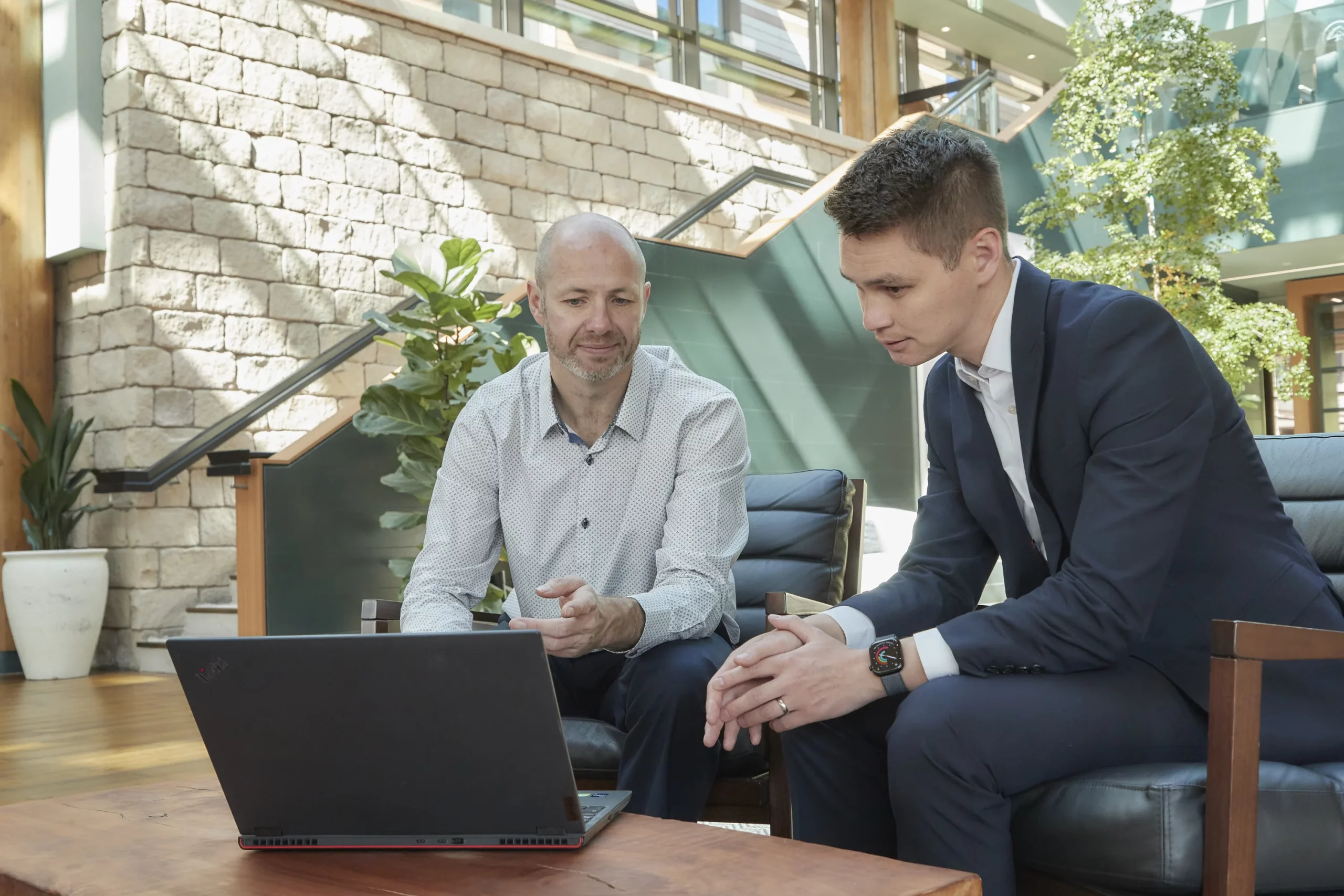

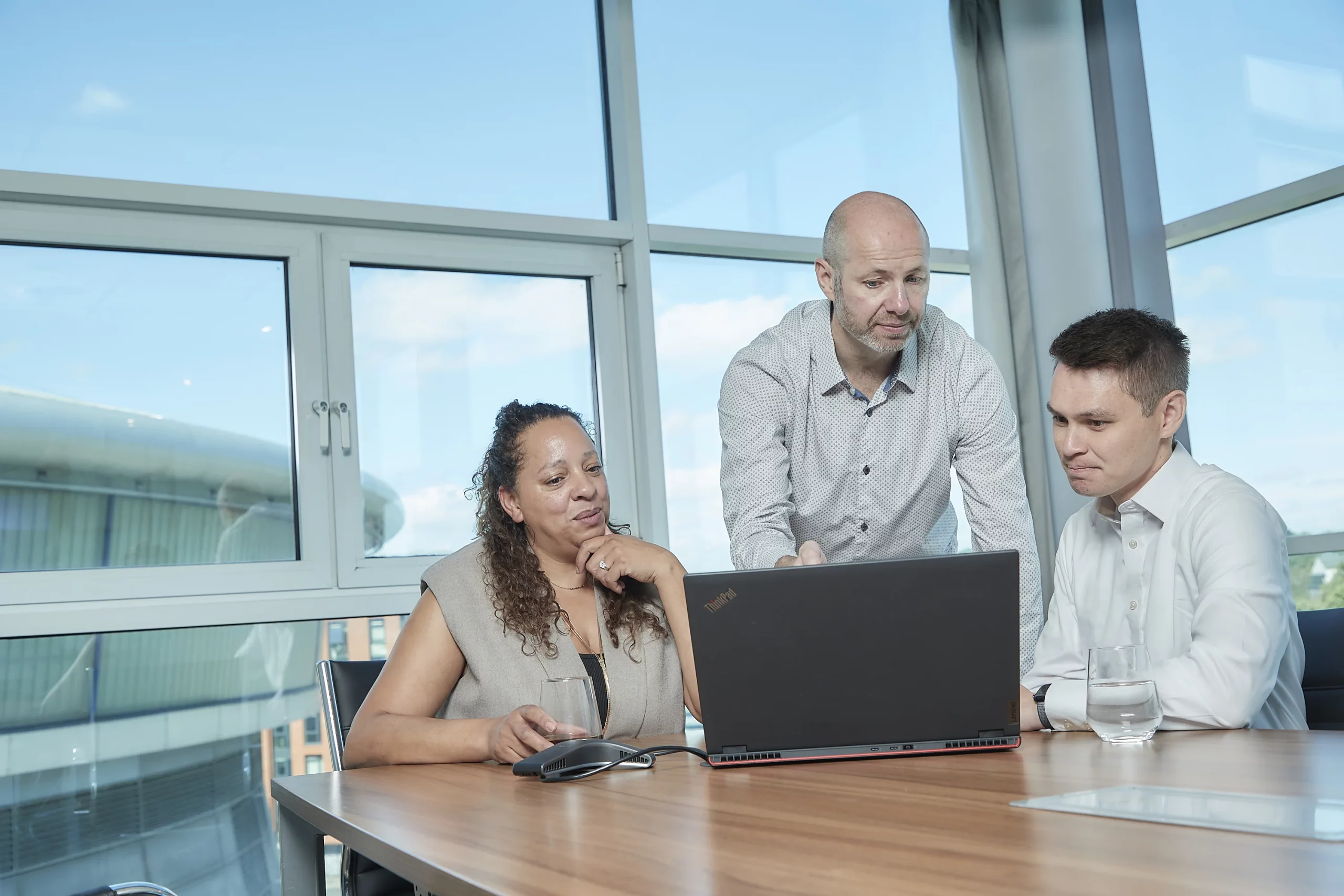
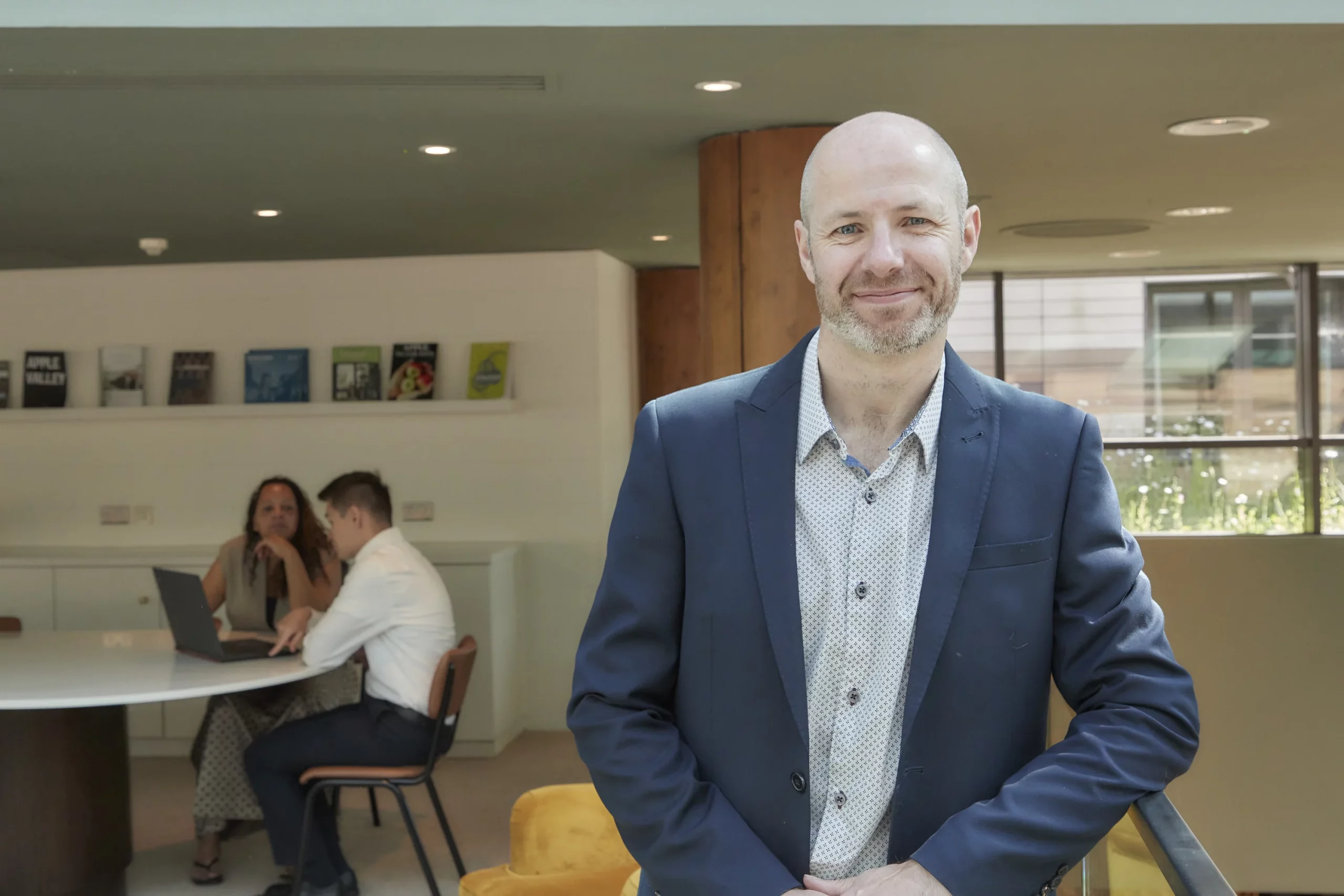
Running a field service or engineering maintenance business? See how I help field service businesses
Not sure which fits? Book a free call with David and I’ll help you work it out.

Meet David
I’m an independent data consultant based in Nottingham, and I founded Responsive Analytix in 2022. My background is engineering: a BEng from Loughborough, then the Advanced Course in Design, Manufacture and Management at Cambridge. Manufacturing operations came before data. That’s why I start with how a business actually runs, rather than with the reporting layer sitting on top of it.
Across manufacturing, energy, financial services and business intelligence consultancy, I kept meeting the same problem: businesses had paid for platforms and dashboards, and still couldn’t trust the numbers enough to act on them without hesitating. That pattern is why Responsive Analytix exists.
FAQs
How is this different from hiring a BI analyst or data consultant?
I scope the problem, design the approach, and I’m accountable for the result. You’re not handed to a team you’ve never met. And where the brief looks like “build a dashboard”, I check the data and the rules behind it first, because automating dirty data just automates the errors.
Do I need to replace my current systems?
No. I connect the systems you already run: your job management, finance, HR and operational platforms. No rip-and-replace, and no dashboard bolted on top of data nobody trusts.
How long does an engagement take?
It depends where you’re starting from. A Data Strategy Roadmap can take two to four weeks. A Warehouse QuickStart is measured in weeks; a full Data Platform Build takes longer. Working out the right starting point is what the free call is for.
What sectors do you work with?
The problem I solve isn’t sector-specific: it’s what happens when operations, finance and HR sit in systems that don’t talk to each other. I see it most often in field service and engineering maintenance, in property, and in sports governing bodies, but the same pattern shows up elsewhere too. If it sounds familiar, it’s worth a conversation regardless of your industry.
What does a free call with David involve?
A straightforward conversation about where your reporting is letting you down, and what’s underneath it. No preparation needed, and no obligation.
Blogs & insights
Practical, plain-language answers to the questions operations and finance leaders are actually asking about their data.
Why FSM Software Falls Short on Reporting
Your field service platform captures the work. It was never built to answer the harder questions, like what overtime actually cost you last month, by contract.
Ready to talk?
A straightforward conversation about where your reporting is letting you down, and what would need to happen to fix it. No preparation needed. If I’m not the right fit, I’ll tell you that too.